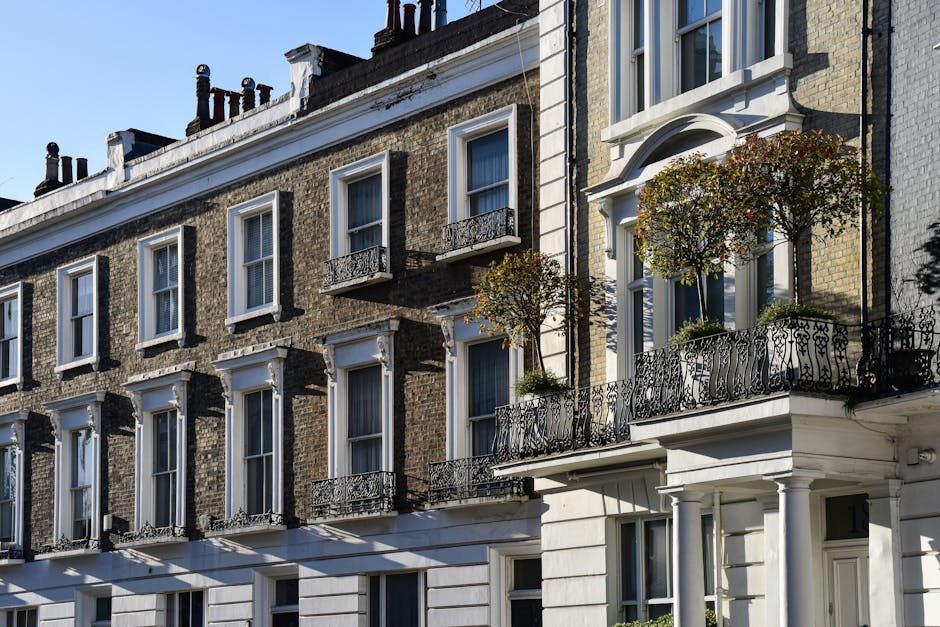
Belgravia house removals parking permit insider tips

Moving house in Belgravia can be elegant on paper and a bit of a logistical puzzle in real life. The streets are busy, the parking is tight, and one missed detail can snowball into a late arrival, a stressed-out crew, and a move that feels harder than it should. That is exactly why Belgravia house removals parking permit insider tips matter: they help you plan loading access, understand the parking side of the job, and avoid the little delays that always seem to happen at the worst moment.
If you are trying to move without upsetting neighbours, clogging the road, or paying for avoidable waiting time, you are in the right place. This guide walks through how parking permissions usually work in a central London move, what to check before moving day, the mistakes people make, and the practical tricks that make the whole thing run more smoothly. No fluff. Just the stuff that saves time.
Why Belgravia house removals parking permit insider tips Matters
Belgravia is one of those places where moving day is shaped just as much by the street as by the property itself. You may have the right boxes, the right team, and a tidy inventory, but if the van cannot stop nearby, the whole timetable starts to wobble. In a neighbourhood with narrow roads, controlled parking, and a lot of residents and visitors competing for space, parking is not a side issue. It is part of the move.
That is the first insider tip, really: treat parking as a moving task, not an admin task. A lot of people leave it until the week before and then wonder why everything feels rushed. If your removals company knows the local layout and you have already thought through stopping points, vehicle size, and timing, you are already ahead. By a fair margin.
There is also a neighbourly angle. A smooth arrival, brief unloading window, and minimal blocking of the road makes a huge difference in a residential area like Belgravia. It keeps tempers cool, reduces awkward conversations with concierges or residents, and helps the move feel organised rather than chaotic. And let's face it, nobody wants a moving van idling outside while someone jogs back and forth trying to work out where it can legally stop.
For people comparing movers, this is one reason it helps to speak to a removal company that understands central London access issues, not just basic lifting and carrying. If you are planning a full domestic move, their approach to parking and access can be just as important as their packing method. The same goes if you are looking at house removals, where the scale of the load makes access planning even more sensitive.
How Belgravia house removals parking permit insider tips Works
In plain English, parking permission for a house move is about making sure the removal vehicle can stop close enough to load and unload safely without creating a parking issue. Depending on the street, that may involve a temporary suspension, a visitor bay arrangement, a loading bay plan, or another local parking control measure. The exact route depends on the location, the timing, and what is available on the day.
The practical workflow is usually straightforward, even if the wording around it sometimes feels less than straightforward. First, you identify the likely vehicle size and the access point. Then you check whether the street has enough space for the vehicle to stand without blocking through traffic, driveways, or entrances. After that, you confirm whether some form of parking arrangement is needed and who is responsible for sorting it.
Insider tip: do not assume the van can just "find a space." In central London, that is rarely a proper plan. A moving team may be experienced, but experience does not create space where none exists. What it does do is help them choose the right time slot, approach the property from the best angle, and work around local restrictions more efficiently.
Most good movers will want a realistic picture of:
- the street width and any double yellow lines nearby
- the distance from vehicle to front door
- whether there is a concierge, porter, or building manager to coordinate with
- the likely size of the removal van or truck
- any time restrictions that affect loading
If your move includes heavier furniture, awkward stairwells, or a longer carry, the parking plan matters even more. You may also want to explore man with van options for smaller moves, or a larger moving van when the load is more substantial. The right vehicle size can make the permit or access side much easier to manage. That sounds obvious, but it gets missed constantly.
Key Benefits and Practical Advantages
Done properly, parking planning does more than avoid a ticket or a complaint. It makes the whole move cleaner, calmer, and cheaper to run. Here is what you get when the access side is thought through properly.
- Less waiting time: the crew can start loading or unloading quickly instead of circling for a space.
- Lower risk of damage: shorter carry distances mean fewer chances for bumps, dropped items, or scraped corners.
- Better timing: if the van is close, the team can work to schedule rather than losing time on every trip.
- Less stress: you are not making last-minute calls while standing on the pavement with a mattress and a kettle.
- Better neighbour relations: neat, controlled loading is far less disruptive than a van blocking a street for an hour.
There is also a financial angle. Many removals are priced partly on time, labour, or vehicle usage. If access is awkward and the crew has to walk further, wait longer, or make multiple shuttle trips, that can affect the job. Not always dramatically, but enough to notice. A little planning up front is usually cheaper than improvising on the day.
For some moves, especially when you need help with packing as well as transport, using a service like packing and unpacking services can reduce the number of separate tasks happening at once. That matters because the more moving parts you have, the more valuable a clear parking plan becomes.
Who This Is For and When It Makes Sense
This topic is relevant for more people than you might think. If you are moving from a townhouse, a mansion flat, an apartment with shared access, or a building with restricted frontage, parking planning is likely on your checklist already. But it is equally useful for anyone moving into Belgravia from elsewhere and not yet familiar with the local rhythm of the streets.
It makes particular sense if:
- your home is on a narrow or busy street
- you have a time-limited move-in or move-out slot
- your building has a concierge or loading procedure
- you are moving bulky furniture or fragile items
- you are arranging the move around work, school, or building access hours
It also matters if you are comparing a specialist home mover against a lighter-touch option such as man and van. The latter can be a great choice for smaller loads, but parking sensitivity is still real in Belgravia. Smaller vehicle does not automatically mean zero parking planning. Sometimes it just means you are solving a slightly easier version of the same problem.
For business owners relocating a small office or studio from the area, the same logic applies. If the move has desks, boxes, IT equipment, or client-facing items, access timing can be critical. In those cases, looking at office removals or commercial moves can be more useful than treating it like a standard home move. Different load, different pressure, same parking headache. Truth be told.
Step-by-Step Guidance
Here is a practical way to handle parking permit planning without overcomplicating it.
- Check the property access early. Stand outside, look at the street, and picture where a removal van would actually stop. Not where you hope it will stop. Where it would stop.
- Estimate the vehicle size. A small van, medium moving van, or larger truck all create different access challenges. If in doubt, ask the removals team what they recommend.
- Speak to the building manager or concierge. If there is one, they may know the local routine for deliveries, loading, or short stops. This saves time and awkwardness.
- Find out whether a parking suspension or special arrangement is needed. In some streets, a simple plan is enough. In others, you may need a more formal parking solution. Do not assume one way or the other.
- Book your removals company with the access picture in mind. Share photos, street notes, floor level, and any restrictions. A good team can usually work with the information you give them.
- Build a buffer into the day. Even with excellent planning, central London moves can be delayed by traffic, neighbours, or timing issues. A small buffer reduces panic.
- Keep key items separate. Documents, keys, chargers, medications, and water should not be buried in a box at the back. You will thank yourself later.
If you are still at the planning stage, it is worth checking house movers or home moves options alongside parking planning. That way, you are matching the service level to the property access reality rather than treating them as separate decisions.
One small but useful habit: take photos of the frontage, nearby bays, and any signs a few days before the move. It sounds fussy, yes, but on moving day those images can settle arguments very quickly. Particularly when everyone is looking at the same kerb and seeing three different things.
Expert Tips for Better Results
Here are the sorts of practical details that make a real difference in Belgravia and similar central London areas.
- Aim for the quietest realistic window. Early starts can be helpful, but only if building access allows it. Sometimes mid-morning is better because porters are on duty and the street is slightly calmer.
- Use one person as the parking point of contact. Too many people making assumptions turns a simple instruction into a muddle.
- Match the vehicle to the volume. An oversized truck may look efficient on paper but be awkward in a narrow street. A slightly smaller van with a good plan can actually be faster.
- Keep the kerbside clear before the van arrives. If you can legally and safely do so, clear any loose bins, bikes, or temporary obstacles in advance.
- Label high-priority items clearly. It reduces search time and prevents the awkward moment when someone asks where the kettle is and nobody knows.
Here is another insider trick: if the building has lift access, find out whether the lift can be reserved or whether there are protected time slots. Parking and lift access often go together. One without the other can still slow you down.
And yes, if you are wondering whether a removal team notices these things, they do. A lot. The best crews can usually spot a tricky move from the first phone call. If they ask detailed questions about street width, floor level, and vehicle access, that is a good sign. It means they are thinking ahead, which is exactly what you want.
You may also benefit from a crew that offers removal services rather than transport alone. That kind of broader support can be useful when access is awkward and the move needs a bit of coordination, not just muscle.
Common Mistakes to Avoid
Most Belgravia moving problems are not dramatic. They are just avoidable. A few of the biggest mistakes keep showing up.
- Leaving parking planning until the last minute. This is the big one. It compresses everything else.
- Assuming any van will fit. Streets, bay sizes, and turning circles matter more than people expect.
- Failing to tell the removals team about restrictions. If there is a gate, a shared courtyard, or a narrow approach, say so early.
- Not confirming who handles the parking arrangement. If everyone assumes someone else has sorted it, nobody has.
- Ignoring unloading distance. A legal stop that is too far from the front door can still create problems.
- Overloading the schedule. Packing, key collection, traffic, parking, and moving all need breathing room.
Another quiet mistake is underestimating the knock-on effect of a bad stop. If the vehicle has to park further away, the crew takes longer, neighbours notice more, and the day starts to feel fragmented. That little bit of friction can ripple through the whole move. It is annoying, but very fixable if you spot it early.
For anyone moving valuable furniture or needing a later pickup of items, reviewing furniture pick up can help you think more clearly about what should go first and what can wait. Smaller, calmer loads are easier to manage when parking is tight.
Tools, Resources and Recommendations
You do not need a complicated toolkit to plan a Belgravia move well. What helps most is a short list of practical resources and good information flow.
- Street photos: a quick set of images taken on your phone is often enough to brief a mover properly.
- Floor plan or room list: useful when deciding what needs the nearest possible access.
- Inventory list: it helps the removals team estimate the right vehicle and timing.
- Access notes: write down gate codes, concierge instructions, parking restrictions, and lift limits.
- Moving day contact sheet: keep names and numbers in one place so nobody is hunting through messages at 7am.
From a service perspective, it is worth reviewing a company's approach to pricing and quotes, because access can influence the quote or the advice you are given. Good quoting is not just about volume; it is also about reality on the ground. If a team asks the right questions, that usually saves you money later. Or at least prevents unpleasant surprises.
It is also sensible to check practical trust pages such as insurance and safety and health and safety policy when comparing providers. Those pages do not solve parking, obviously, but they tell you whether the company takes its responsibilities seriously. In a tight urban move, that matters.
Law, Compliance, Standards, or Best Practice
Parking and loading in London should be handled with care, because local restrictions are there for a reason: traffic flow, safety, access for residents, and keeping roads workable for everyone. The exact rules vary by street and borough, so you should always treat any parking arrangement as location-specific rather than assuming a one-size-fits-all rule.
Best practice is simple enough: confirm the access plan before the move, make sure everyone involved understands it, and avoid placing pressure on the day to "just make it work." That approach usually backfires. It can lead to obstruction, complaints, or an expensive delay. Nobody needs that.
From a professional standpoint, reputable movers should also consider safe lifting, safe vehicle positioning, and clear communication with the client. If a company is careless about access planning, it can be a sign that they are careless in other areas too. Not always, but often enough to pay attention.
If you want a broader sense of the company's standards and working approach, useful pages to review include about us, terms and conditions, and recycling and sustainability. None of that replaces proper parking planning, but it helps you judge whether the business is organised and transparent.
Options, Methods, or Comparison Table
Different moves need different access strategies. The right method depends on your property, volume, and timing. Here is a simple comparison to make the choice easier.
| Method | Best for | Pros | Watch-outs |
|---|---|---|---|
| Small van / man and van | Light to moderate loads, short journeys, tight streets | More flexible, easier to place close to the property | May need multiple trips if the load is larger than expected |
| Medium moving van | Typical house moves with a manageable volume | Good balance of capacity and manoeuvrability | Still needs clear kerbside access planning |
| Larger removal vehicle | Full-house moves, heavier furniture, longer packing jobs | Can reduce the number of journeys | Harder to fit in tight streets and may need more careful positioning |
| Pack-and-move service | Busy households, fragile items, time-sensitive moves | Fewer separate tasks to juggle | Requires very clear timing and access coordination |
If you are unsure which route is best, consider whether your move is more about speed, volume, or access flexibility. In Belgravia, access flexibility is often the hidden winner. A slightly smaller vehicle that can stop sensibly is often more efficient than a big one that creates complications.
That is why people sometimes choose removals near me as a starting point, then narrow things down based on parking needs, not just distance. Fair enough, too. Local knowledge can save a lot of bother.
Case Study or Real-World Example
Imagine a family moving out of a first-floor flat in Belgravia on a weekday morning. The property is lovely, but the frontage is narrow and the nearest space is not directly outside. They also have a sofa that is awkward enough to make everyone sigh when they look at it.
In this situation, the successful move is usually the one that starts with access rather than boxes. The family shares the street view with the removals team, checks the front door distance, and confirms whether the building manager can advise on the best loading position. They keep the essentials by the door, the van arrives at the agreed window, and the crew knows in advance that the sofa will need a bit of extra care. Nothing heroic. Just solid preparation.
What makes the difference here is not luck. It is the absence of avoidable surprises. The team is not discovering the parking problem after the van is already in the street. The client is not trying to negotiate access while holding keys, paperwork, and a half-open box of crockery. And the moving day has a chance to feel orderly, which is rare enough to appreciate.
This is also where a provider offering movers or house removalists can help, because the right crew will often spot the access issue before it becomes a delay. That kind of experience is not flashy, but it is exactly what you want.
Practical Checklist
Use this checklist before moving day. Keep it simple and tick things off as you go.
- Confirm the moving date and time window.
- Check street access and kerbside stopping points.
- Decide whether a parking arrangement is needed.
- Ask the removals team what vehicle size they recommend.
- Share photos of the frontage and any access restrictions.
- Notify the building manager, concierge, or landlord if relevant.
- Separate key documents, chargers, valuables, and essentials.
- Label fragile and priority items clearly.
- Keep phone numbers for the removals team handy.
- Build in a little extra time for traffic or access delays.
- Review the company's payment and security information before confirming the booking.
Expert summary: In Belgravia, the best moving day is usually the one where parking is treated as part of the move plan from the start. If the van can stop cleanly, the team can work cleanly. Everything else gets easier from there.
Get a free quote today and see how much you can save.
Conclusion
Belgravia moves reward people who plan the access side properly. If you think ahead about parking, vehicle size, loading distance, and building coordination, you reduce stress before it even has a chance to build up. That is the real insider tip: not a trick, just a habit.
Whether you are moving a whole house, a smaller flat, or a carefully staged office load, the principles are the same. Share the right information early, choose the right vehicle, and make sure the parking arrangement matches the street rather than the other way around. Simple to say, not always simple to do, but absolutely worth it.
A smooth move in Belgravia is often the result of quiet preparation rather than last-minute heroics. Keep it calm, keep it organised, and the day tends to look after itself.
Frequently Asked Questions
Do I need a parking permit for a house move in Belgravia?
Often, you will need some form of parking arrangement or access plan, but the exact requirement depends on the street and timing. It is best to check early rather than assuming the van can simply stop outside.
Who usually arranges the parking permission or suspension?
That depends on the removal company and the property setup. Some clients handle it directly, some movers help advise, and some buildings already have a standard process. Clarify this before the move so nobody is guessing on the day.
How far in advance should I sort out parking for a Belgravia move?
As early as you can once the moving date is fixed. In central London, last-minute arrangements can be awkward, and a small delay in planning can turn into a bigger problem than expected.
What happens if the removal van cannot park close to the property?
The team may need to carry items further, take longer, or use an alternative loading position. That can slow the move and increase pressure, so it is worth planning the stop point carefully.
Is a smaller van always better for Belgravia removals?
Not always. A smaller van can be easier to place, but if it is too small for the load, you may need extra trips. The best choice is the one that balances access and capacity.
Can a man and van service work for a Belgravia house move?
Yes, for smaller or lighter moves it can be a sensible option. For larger homes or more furniture, a fuller removals service may be more efficient. It depends on volume and access.
What should I tell the removals company about the street?
Tell them about any parking restrictions, narrow access, gates, stairs, concierge rules, and the distance from the vehicle to the front door. Photos help a lot, and they are usually easier than long explanations.
Do building managers or concierges help with moving day access?
Often, yes. They can sometimes provide guidance about loading areas, lift bookings, or arrival windows. A quick conversation with them can save a surprising amount of time.
What is the biggest mistake people make with parking on moving day?
Leaving it too late. That one mistake causes most of the friction, because it affects timing, vehicle choice, and crew efficiency all at once.
How can I avoid delays on a Belgravia move?
Plan access early, share clear information with the movers, keep the schedule realistic, and make sure your essentials are easy to reach. Small details make the day smoother than you might expect.
Should I choose removals based only on price?
No. Price matters, of course, but in Belgravia the quality of access planning, communication, and timing can be just as important. A cheaper quote can become expensive if the move is delayed or poorly coordinated.
Where can I check more about the company before booking?
You can review useful trust and service pages such as about us, insurance and safety, and contact us to understand how the company works and how to get in touch. If you want to compare service types, pages like removal services and removal company can also help you make a clearer choice.