Removal Companies in Westminster

Our removal companies in Westminster service is built around practical home and business moves carried out with care, steady planning and clear communication. We handle removals for flats, houses and workplaces, with attention to access, loading order and the safe handling of furniture and boxed belongings. If you need a straightforward move in and around Westminster, we can help you organise the work in a way that keeps the day orderly and manageable.
Typical jobs include partial and full-property removals, collection of larger household items, and planned moves that need a sensible vehicle size and a careful sequence of loading. We also support customers who want help with packing and unpacking, or who need a simple man and van arrangement for lighter loads. For a broader view of how we work, you can review our removal services alongside the details on house removals.
When people compare removal options, they often want to know how much preparation is sensible, what can travel together, and whether the move needs extra hands for heavy or awkward items. We can talk through those points before the date is fixed, so that the removal plan suits the property layout and the items involved. If you would like to start the conversation, please ask for a quotation.
Home removals planned around your property
Home removals work best when the right vehicle, the right order of loading and a realistic time plan are matched to the actual contents of the property. We move everyday household items, including furniture, appliances, boxes, bags and personal effects, while keeping the process organised from the first item to the last. A considered approach reduces confusion at both ends and helps each stage of the move feel more controlled.
Some customers need a full household move, while others only need selected items transferred between addresses. Our home moves and man and van options are useful when the job is smaller, simpler or spread across only a few bulky pieces. Where the property contains more furniture or requires a stronger loading plan, the approach can be adjusted so the move stays efficient without becoming rushed.
What is usually included
Household removals often involve dismantled beds, wardrobes, tables, chairs, white goods and packed cartons, although every move depends on what you are taking. The work may also include coordination around lifts, staircases, restricted parking or access points that affect loading. In some cases, a removal plan also needs packing support first, followed by a separate unloading arrangement at the destination.
Office removals for organised business moves

Office removals need a measured approach because the work often combines furniture, filing, equipment and items that should travel in a specific order. We can support office relocation work with a practical focus on keeping contents grouped sensibly, limiting avoidable handling and allowing the move to proceed in an orderly sequence. That is especially useful when desks, chairs and storage units have to be moved alongside packed business materials.
For customers comparing options, our office removals and office relocation services pages set out how we approach commercial moves. In many cases, the main decisions are about access, packing readiness and the amount of furniture to be taken in one run. Larger workplace moves can be supported by a suitable vehicle and an organised loading plan, while smaller office jobs may be handled more simply.
If your move includes shared workspaces, archive items or equipment that must stay grouped, a clear inventory makes the transfer easier to manage. It is also useful to decide in advance whether any desks or storage units need to be dismantled before collection. For an office move in Westminster, planning ahead helps reduce disruption and gives everyone a clearer idea of what will happen on the day.
Packing, unpacking and careful preparation

Packing can change the shape of a removal job as much as the distance between properties. A well-packed move is usually easier to load, more secure in transit and quicker to unload. Our packing and unpacking services can be useful when you want help with the practical stages before and after the vehicle journey, rather than handling every box yourself.
Good packing starts with the items that need the most protection. Fragile belongings, mirrors, ornaments and electronics often travel better when wrapped, boxed and grouped carefully, while books and mixed household items should be packed into containers that are not too heavy to lift. When everything is ready in advance, the move can progress in a more orderly way and the unloading stage becomes less complicated.
- Use sturdy boxes and avoid overfilling them.
- Keep similar items together so loading is easier to plan.
- Label boxes clearly for the room or area they belong in.
- Set aside essentials you may need straight after arrival.
Vehicle choices for different removal jobs
The right vehicle matters because not every removal is best served by the same size or layout. Some moves are well matched to a compact van, while others call for a larger removal truck or moving van to take furniture and boxes in fewer journeys. We work with practical options such as moving van, removal van and moving truck arrangements, depending on what the job requires.
Vehicle choice is usually shaped by volume rather than by guesswork. A small flat move with a few pieces of furniture may be manageable with a single van, while a fuller house move often needs a bigger load space and a more deliberate stacking pattern. The aim is to keep items secure, make the best use of the available space and reduce unnecessary back-and-forth between addresses.
Where access is tight, vehicle selection becomes even more important. Westminster properties can involve narrow streets, limited stopping space or shared entrances, so a sensible load plan helps the job proceed more smoothly. If you want a straightforward discussion about which option fits your move, ask for a quotation and we will help you work through the practical details.
Helping with furniture and individual item moves

Not every customer needs a full house move. Sometimes the task is to move one or two items of furniture, collect an unwanted piece, or transfer a bulky purchase from one location to another. Our furniture pick-up service and related removal options can suit these more focused jobs, especially when the item is awkward to lift or too large for a regular car.
Furniture moves often benefit from a cautious approach to corners, stairwells and doorframes. Sofas, wardrobes, beds and tables may need to be handled with care to avoid scraping surfaces or putting strain on fittings. If an item needs dismantling before travel, that should be considered alongside the rest of the job so the collection and delivery remain manageable rather than hurried.
For customers who are comparing a full removal service with a smaller collection, the main difference is usually the level of support needed at each stage. A single-item job may require less vehicle space but more attention to lifting and positioning, whereas a larger move may need a broader loading plan. Either way, we aim to keep the work clear, sensible and suited to the items being moved.
Choosing the right removal approach
There are several ways to arrange a move, and the best choice depends on load size, access, handling needs and how much help you want on the day. Some customers want a full removal company to take on the whole job; others prefer a lighter service that moves only the key pieces. Our pages for removals, removal company and removal companies set out the different service types in more detail.
A small move can sometimes be completed with a simpler vehicle and fewer handling steps, but a larger household or workplace move needs a more structured approach. The most useful comparison points are usually the contents, the distance between properties, any difficult access and whether packing has already been completed. If those points are clear, it is easier to choose a suitable service without paying for more than you need.
Three questions worth considering
What is moving? List the main pieces, note anything fragile and include large furniture or equipment. How easy is access? Stairs, lifts and parking restrictions can affect the plan. What help is wanted? Some customers only need transport, while others want loading, unloading or packing support as well.
About Westminster
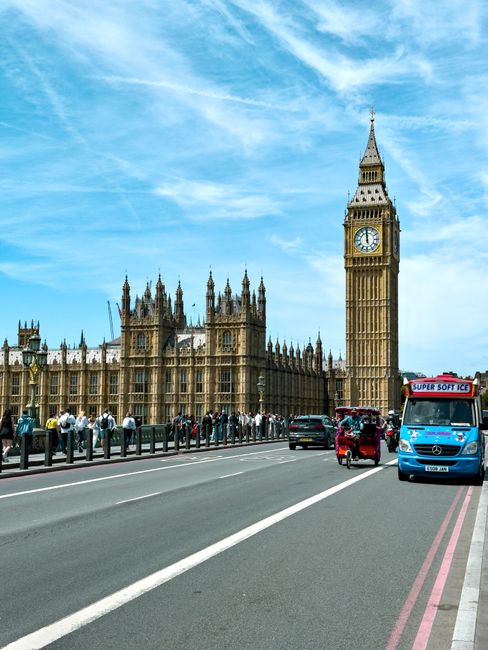
Westminster is one of central London’s most recognisable districts, shaped by national institutions, ceremonial buildings and a dense pattern of streets that reflect centuries of political and urban change. The area includes landmarks such as the Palace of Westminster, Westminster Abbey and Whitehall, all of which speak to its long role at the centre of government and public life. The River Thames forms the southern edge of the district, and the Albert Embankment and Victoria Embankment help define its riverfront character. Within this compact setting are formal civic spaces, residential streets, major transport links and well-known open areas such as St James’s Park, which provides a notable patch of greenery close to the core of the city.
Practical support for different move sizes
Removal work is easier to manage when the service fits the scale of the job. A compact flat move may only need a vehicle and loading help, while a larger family property might need more time, more careful sequencing and a broader packing arrangement. We can support different levels of move without making the process unnecessarily complicated, and the service can be shaped around the furniture, boxes and access conditions involved.
Because no two properties are quite the same, it helps to think in terms of job requirements rather than assumptions. Items with unusual weight, awkward dimensions or special handling needs may affect the loading plan, as can long walks from the door to the vehicle. Where needed, we can also discuss whether a combination of removal and packing support would make the move easier to handle from start to finish.
That practical flexibility is often what customers are looking for when they compare local removal options. If you are ready to move ahead, ask for a quotation and we will help you identify a sensible route for your job in Westminster.
Clear pricing points and quotation details

Removal pricing usually depends on a small set of practical factors rather than on a simple one-line description of the move. The main considerations are often the amount of furniture and boxes, the number of collection and delivery points, the vehicle size required and whether the job needs extra handling or packing support. Our pricing and quotes page explains how to approach those details when you want a clearer picture of the likely cost.
To prepare a useful quotation, it helps to have a sensible outline of what is moving and how the property can be accessed. You do not need to over-explain every detail at the start, but a short description of the main items, stairs, parking and any special handling requirements can make the estimate more accurate. If packing has already begun, that can also affect how the work is organised.
We keep the process straightforward: tell us what needs moving, where it is going and any practical points that may affect loading or delivery. Then we can discuss the removal option that best suits the job. Request your quotation when you are ready.
Additional details that can help before the move
There are a few sensible steps that make a removal easier for everyone involved. If possible, separate items that will travel from items that are staying behind, and keep important papers or valuables with you rather than placing them with the general load. If there are items that need special care, such as glass tops, monitors or framed pictures, it is best to mention them early so the handling plan can reflect that.
It also helps to think about timing and access. Knowing when the property can be reached, whether parking space is available and whether lift use is permitted can affect how the day is arranged. These are the sort of details that allow a removal to proceed with less uncertainty. If you are unsure what to include at the first stage, a brief description is enough to begin the conversation.
For moves in Westminster, a well-prepared plan usually comes down to the same practical question: what needs to go, what level of help is required and how can the work be completed with the least disruption? Once those points are clear, the next step is simple.